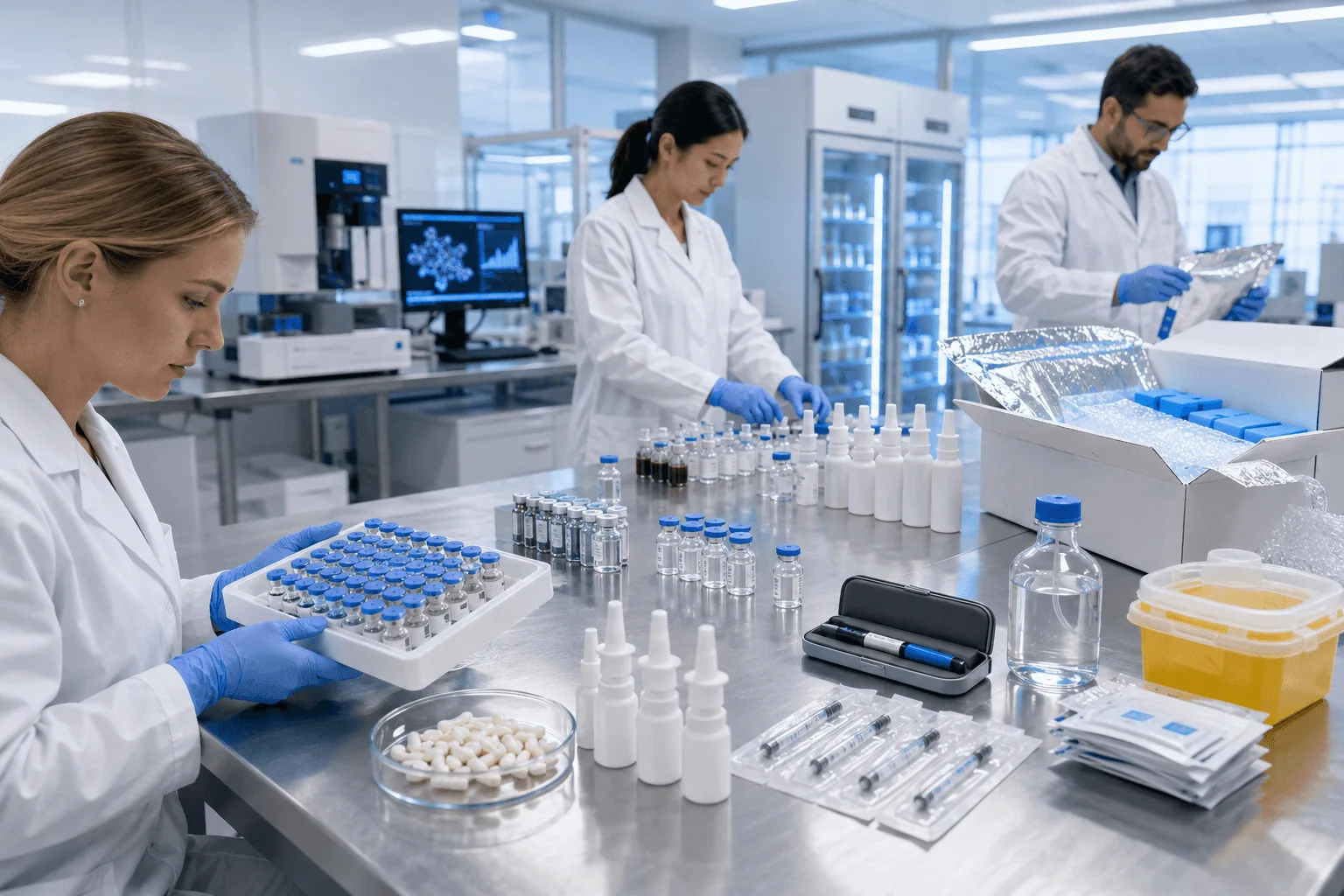
An in-depth look at every product format and service, built around one purity standard. Research compounds, ancillary supplies and quality verification — all from a single source.
Peptide Works exists for one reason — to deliver reliably pure research compounds to those who need them. It sounds simple, and in many ways it is. However, anyone with even a brief history of sourcing peptides understands how quickly things can fall apart when purity certificates lack meaningful detail, shipping is slow, and the material that arrives bears little resemblance to what was ordered.
The company was founded on a clear proposition. Every product leaves the facility with a verified purity of 99% or higher, supported by an independent Certificate of Analysis that the customer can read and trust. This is not a marketing statement. It is the operational baseline on which every decision at Peptide Works is built, from the choice of synthesis partners to how vials are filled, sealed and shipped.
Peptide Works is primarily a research-grade peptide supplier, but the catalogue extends well beyond a single shelf of lyophilised vials. Today, researchers work with a range of administration formats. Some protocols call for reconstituted solutions, others for nasal delivery, and others still for oral dosing. If a supplier carries only one format, its customers are forced to source from two or three additional vendors — each with different standards and shipping timelines. Peptide Works removes that friction by offering peptide vials, pre-mixed ready-to-use solutions, nasal sprays, combination nasal stacks, https://peptide-works.com/ghk-cu/ peptide blends, and carefully tested oral capsules all produced under the same analytical standard.
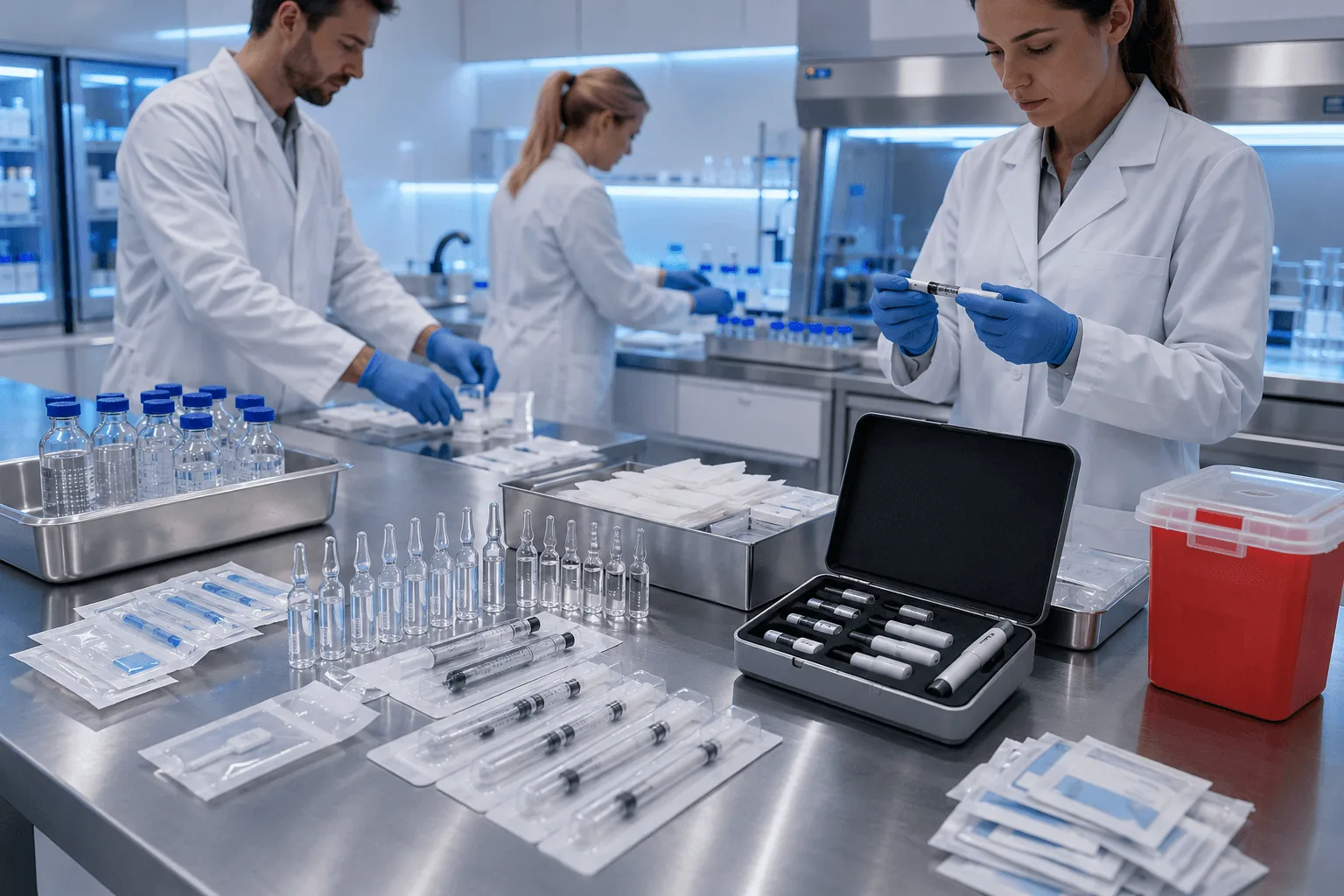
Beyond the compounds themselves, Peptide Works provides the ancillary items that research workflows depend on: bacteriostatic water, sterile water, fixed-needle syringes in multiple gauges, a precision peptide pen system with refillable cartridges, alcohol wipes, sharps disposal containers and bundled accessory kits. The aim is straightforward. When a researcher orders a peptide, they should also be able to source every item of hardware needed for their work — without opening another browser tab.
This page explores each service category in detail. It is not a catalogue of products. There are no prices, order buttons or sales language. What follows is a clear breakdown of what Peptide Works actually does, how each area works and why it is set up the way it is. This is written for researchers assessing a new supplier or for anyone encountering the company for the first time.
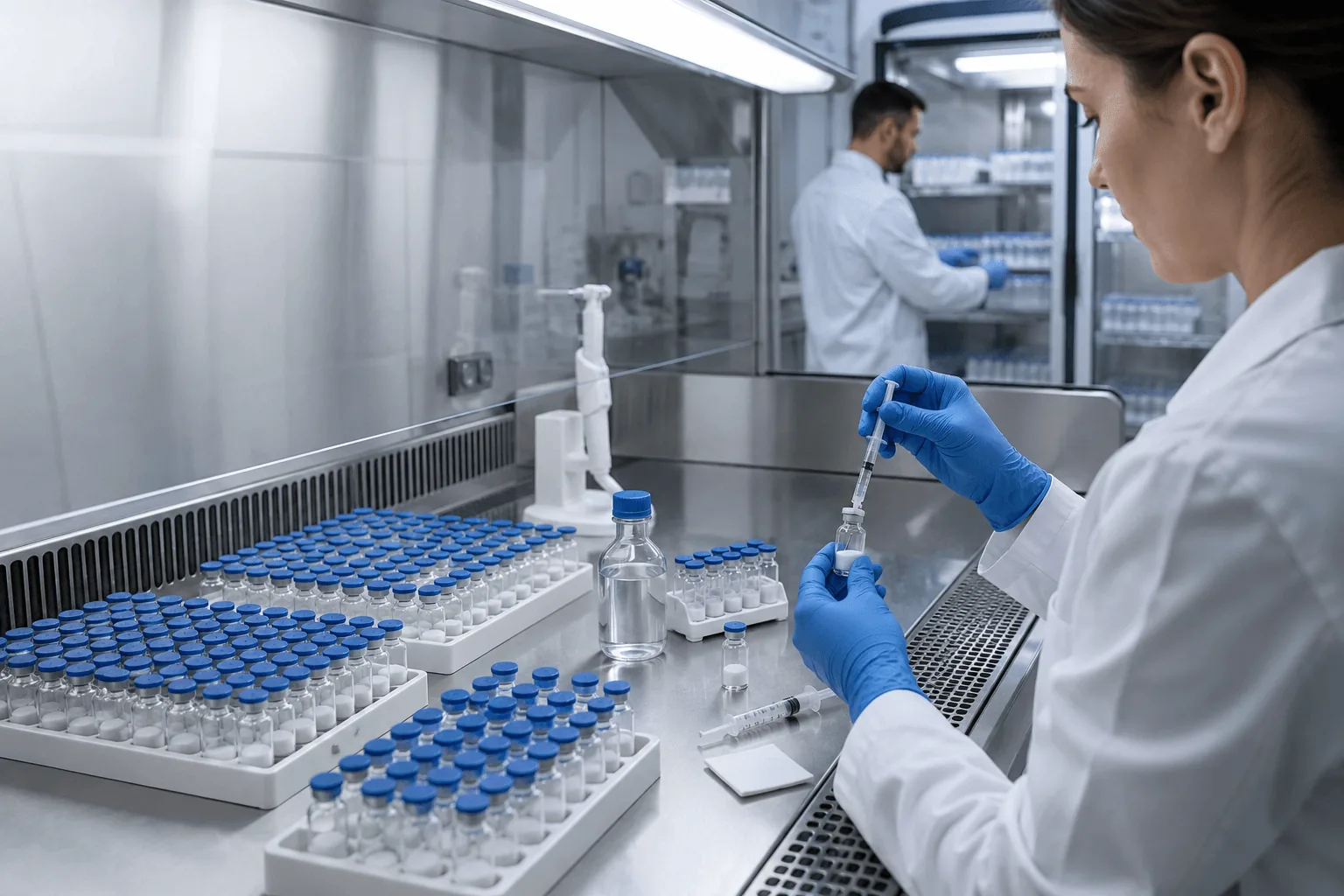
The Peptide Works catalogue begins with the lyophilised peptide vial. Freeze-drying dehydrates the peptide solution to create a stable, dry powder that can remain at room temperature for extended periods without losing its properties. The powder is reconstituted with an appropriate solvent — usually bacteriostatic water — and loaded into a syringe when the investigator is ready to begin a protocol. This remains the most established and most widely used format for peptide research, and for good reason.
Lyophilisation preserves the molecular integrity of a compound far more effectively than keeping it in liquid phase. Over time, peptides held in solution can become susceptible to hydrolysis, oxidation and microbial contamination. A vial that has been freeze-dried and stored properly addresses all three of these risks. https://peptide-works.com/epithalon/ The result is less chance that the compound reconstituted on day sixty is chemically different from what was sealed on day one, and a greater likelihood that it will remain usable for longer before any degradation occurs.
Peptide Works carries one of the broadest ranges of vials available from a single company, with the catalogue structured around research applications rather than alphabetical order — because that is how researchers actually think about these compounds.
Among the most frequently studied compounds in peptide research. These include Ipamorelin, GHRP-2, GHRP-6 and Hexarelin — all growth hormone releasing peptides that act on the ghrelin receptor. Sermorelin, Tesamorelin and forms of CJC-1295 (both with the Drug Affinity Complex and without) act on growth hormone releasing hormone and possess different pharmacokinetic profiles from one another. They are often combined in studies that pair a GHRH analogue with a GHRP. This group is completed by HGH Fragment 176-191 and full-length HGH191AA for targeted studies of the lipolytic or anabolic components of the growth hormone axis. MK-677, although technically a non-peptide growth hormone secretagogue, is also offered as it is routinely used alongside peptide-based protocols.
The two most requested compounds in this area are BPC-157 and TB500 (Thymosin Beta-4). BPC-157, a pentadecapeptide derived from human gastric juice, has generated considerable interest in preclinical models of soft tissue and ligamentous repair. TB500 is a synthetic version of the natural Thymosin Beta-4 protein, found to promote cell migration and tissue remodelling. Both are available individually and as a combined formulation.
Selank and Semax are two synthetic analogues of naturally occurring immunomodulatory peptides that have attracted research interest for their roles in mediating anxiety-related and cognitive pathways. DSIP — Delta Sleep-Inducing Peptide — is studied in sleep architecture research. Pinealon is a tripeptide bioregulator that acts on central nervous system function. P-21 is a synthetic peptide derived from Ciliary Neurotrophic Factor and has been investigated in studies of neurogenesis. Adamax, Orexin A and Protirelin occupy distinctive niches within neuroscience research. All of these compounds can be found at Peptide Works.
Thymosin Alpha-1, one of the most researched immunomodulatory peptides, was first isolated from thymic tissue. Thymalin and Bronchogen are short bioregulatory peptides from the same research lineage. LL-37 is a human cathelicidin — an endogenous antimicrobial peptide studied for its role in innate immunity. KPV is a tripeptide derived from alpha-melanocyte-stimulating hormone, found to have potential anti-inflammatory action. VIP (Vasoactive Intestinal Peptide) plays a role in both immune function and neuroprotection. These are all available from Peptide Works as separate vials.
AOD-9604 is a synthetic, modified fragment of human growth hormone being investigated for its action on lipid metabolism. MOTS-c is a mitochondrial-derived peptide that has attracted attention in metabolic and exercise physiology research. AICAR targets cellular energy-sensing pathways through the AMPK system. SS-31 (Elamipretide) is a mitochondria-targeted antioxidant. Adipotide is a peptide investigated in adipose tissue research. 5-Amino-1MQ, while technically a small molecule compound, is included in the Peptide Works catalogue because of its frequent use alongside peptide compounds in metabolic research protocols.
GHK-Cu is a copper peptide tripeptide and one of the most studied compounds in skin biology, with research spanning wound healing, collagen synthesis and hair follicle biology. PTD-DBM is a relatively new compound being investigated in the hair-loss space. SNAP-8 (Acetyl Octapeptide) is researched as a modulator of skin muscle contraction. Melanotan I and Melanotan II are synthetic analogues of alpha-melanocyte-stimulating hormone, most widely studied in pigmentation research.
PT-141 (Bremelanotide) has been studied for its effects on sexual function through melanocortin receptor-mediated pathways. Kisspeptin is a key neuromodulator within the hypothalamic-pituitary-gonadal axis. Gonadorelin is a GnRH analogue used in reproductive endocrinological research. HCG and LHC are gonadotropins that play significant roles in fertility studies. Triptorelin is a GnRH agonist. Oxytocin, often referred to as the bonding peptide, is studied broadly across behavioural neuroscience and reproductive biology. Peptide Works provides each of these in vial format.
Epithalon is a synthetic tetrapeptide analogue that has a direct effect on telomerase activity. FOXO4-DRI is a carefully designed interference peptide targeting senescent cells — one of the most technically complex compounds in longevity research. Humanin is a cytoprotective peptide derived from mitochondria. Cartalax and Vilon are bioregulatory peptides with functions studied in age-associated tissues.
The myostatin pathway is a critical regulatory axis in skeletal muscle development. Follistatin 344, ACE-031 and Myostatin/GDF-8 are all associated with this pathway and its potential influence on muscle growth. IGF-1 LR3 is a long-acting analogue of insulin-like growth factor 1. MGF and its PEGylated counterpart PEG-MGF are mechano growth factor peptides originating from the IGF-1 gene. These compounds represent some of the most active areas of muscle biology research, and Peptide Works carries them all.
ARA-290 is a non-erythropoietic EPO analogue studied for neuroprotective and tissue-protective properties. B7-33 is a relaxin-family peptide analogue now in clinical investigation for fibrosis research. PNC-27 is a synthetic peptide studied in oncology models. NAD+ and L-Glutathione are not technically peptides, but they are included in the Peptide Works catalogue because of their frequent use alongside peptide protocols in cellular health and redox research.
Every vial from Peptide Works — regardless of category — is accompanied by a Certificate of Analysis confirming purity, identity and composition. The consistency across the entire catalogue is deliberate. A researcher ordering a niche bioregulatory peptide receives the same documentation and the same analytical rigour as someone ordering one of the most popular compounds.
Not every research setting has the capacity, equipment or preference to reconstitute lyophilised powder from scratch. This is not a criticism — it is a practical reality. There is a time and variability cost associated with measuring and transferring bacteriostatic water into vials, waiting for the powder to dissolve, and drawing from a multi-use vial each time. Some protocols run through dozens of administrations per week.
Peptide Works addresses this with a pre-mixed peptide line. These are compounds that have been previously prepared in a controlled environment, at a known concentration, and sealed in ready-to-use vials. The researcher receives a solution that can be drawn directly — no reconstitution, no mental arithmetic on dilution ratios, no risk of adding too much or too little solvent.
The practical advantages are genuine. The most significant is concentration consistency. When a facility handles reconstitution of individual vials, the final concentration depends on the precision of solvent addition, and measuring errors can accumulate across protocols lasting multiple weeks. A pre-mixed vial eliminates that variable entirely, because reconstitution was performed once under controlled conditions and verified before shipping.
The second advantage relates to handling errors. Aggressive reconstitution can damage lyophilised peptides — swirling too vigorously, directing solvent onto the powder cake, or using water that is too warm. These are minor errors individually, but collectively they can compromise a portion of the compound before the study even begins. Peptide Works reconstitutes pre-mixed products using standardised procedures specifically designed to reduce peptide degradation during the dissolution process.
The pre-mixed range mirrors the vial catalogue almost entirely. When Peptide Works offers a compound as a lyophilised vial, it is very likely available as a pre-mixed solution as well. This includes the growth hormone secretagogues, tissue repair peptides, neuropeptides, immune modulators, metabolic compounds, reproductive peptides and more. The only difference is that someone else has already performed the reconstitution — and the same purity standards and COA documentation apply throughout.
This format is well suited to high-throughput research settings, complex laboratories looking to minimise preparation time, and any facility that prefers to remove a variable stage from the workflow. It is built for practicality, and Peptide Works treats it that way.
Intranasal delivery is not a new concept in research, but interest in nasal peptide delivery has grown significantly over the past decade. The nasal cavity features a richly vascularised mucosal surface capable of rapid absorption of certain peptides into systemic circulation. In some instances, compounds may travel along neural pathways such as the olfactory and trigeminal nerve routes, offering alternative access to the central nervous system.
Peptide Works offers a wide selection of nasal sprays, and the pharmacological reasoning behind each one is considered carefully. Neuropeptides and cognitive compounds such as Selank and Semax are natural candidates for nasal delivery, given the proximity of the nasal cavity to the brain. The same logic applies to DSIP, a sleep-related peptide, and to Oxytocin, one of the most extensively studied peptides in behavioural neuroscience and one that has been widely administered intranasally in clinical research settings.
The nasal spray format at Peptide Works extends far beyond neuropeptides. Single-compound nasal sprays are available for BPC-157, TB500, AOD-9604, Epithalon, Thymosin Alpha-1, KPV, LL-37, GHK-Cu, PT-141, Ipamorelin, GHRP-2, GHRP-6, Sermorelin, Tesamorelin and others. All spray devices are calibrated so that a single actuation delivers a precise amount of peptide, giving researchers an exact unit dose per application without the need for syringes.
Where Peptide Works truly distinguishes itself in the nasal segment is through stacking — pairing two complementary peptides into a single spray device. These stacks are designed for protocols that routinely co-administer two compounds. Instead of alternating between two separate spray bottles, the researcher uses one device that delivers both peptides together.
Available combination nasal stacks include Semax with Selank for cognitive and anxiolytic research, BPC-157 with TB500 for tissue repair studies, PT-141 with Oxytocin for behavioural and sexual function research, PT-141 with Kisspeptin for reproductive pathway studies, Epithalon and DSIP for longevity and sleep research, and Epithalon and Thymalin for immune-longevity protocols. Additional combinations of interest include BPC-157 with KPV for inflammation and gut research, Thymosin Alpha-1 with LL-37 for immune defence, VIP with BPC-157 for neuroprotection and tissue repair, HGH Fragment 176-191 with CJC-1295 variants for metabolic studies, GHRP-6 with CJC-1295 variants for growth hormone axis research, and Ipamorelin with CJC-1295 No DAC as a combined secretagogue.
These nasal stacks are not arbitrary pairings. Every combination corresponds to recognised research procedures in which the respective compounds are used together. Peptide Works creates them in ratios referenced within dosing ranges published in the research literature, and the same COA and purity documentation applies to combination products as it does to individual vials.
This formulation provides a clean, standardised option for researchers whose protocols accommodate non-invasive delivery, or for studies directly designed to examine nasal bioavailability. The combination stacks reduce both the time required and the variables involved in multi-compound protocols.
Research rarely involves one compound in isolation. The majority of protocols pair two or more peptides whose effects are complementary through synergistic pathways. Sourcing these compounds separately — even from the same supplier — introduces additional reconstitution steps, different storage requirements and multiple administration events per session. This is where blends and stacks come in.
It is worth clarifying the difference, because elsewhere these terms are sometimes treated as interchangeable — and they should not be.
A blend is a single vial containing two or more peptides already mixed at specified ratios. The compounds share one solution. A researcher draws from one vial and receives both peptides in a single dose. The components must be chemically compatible in solution — they should not degrade one another, precipitate, or interfere with each other's stability. Peptide Works verifies compatibility before offering any blend, and each vial carries its own COA detailing the purity and amount of every individual component.
A stack is a collection of individual vials packaged together because they are intended for use in the same research protocol. Each compound is kept separate, reconstituted independently and administered individually. Stacks are the correct format when the peptides have different solubility profiles, require different storage conditions, or need to be administered at different times within the protocol.
Peptide Works provides blends for compound pairs that are routinely co-administered and have demonstrated reasonable stability in solution. One of the most common is a blend of BPC-157 and TB500, combining the two most researched tissue-repair peptides in one vial. Growth hormone axis combinations typically pair a releasing peptide with a releasing hormone analogue — GHRP-6 with CJC-1295 DAC, GHRP-6 with CJC-1295 No DAC, Ipamorelin with CJC-1295 No DAC, and HGH Fragment 176-191 with CJC-1295 DAC represent some of the metabolic blends. Triple blends such as Ipamorelin with HGH Fragment 176-191 and CJC-1295 DAC, or the same trio with CJC-1295 No DAC, are designed for researchers running more complex protocols who wish to reduce both the number of vials and administrations per session.
The stack range is more broadly applicable across research. BPC-157 and VIP tissue repair stacks are available, along with the triple combination of BPC-157 with TB500 and GHK-Cu — a stack integrating compounds that address different aspects of soft tissue repair, cell migration and extracellular matrix remodelling within a single bundled protocol. The BPC-157, GHK-Cu and Thymosin Alpha-1 stack targets tissue repair in conjunction with immune modulation.
Epithalon and DSIP form a popular stack for telomerase activation and sleep architecture research, while Epithalon and Thymalin are paired for thymic function and cellular ageing protocols. The Selank and Semax stack consolidates cognitive and anxiolytic study materials. Kisspeptin with PT-141 is designed for reproductive neuroendocrinology. GHK-Cu with PTD-DBM targets skin and hair follicle research. GHK-Cu combined with TB500 brings together a copper peptide and thymosin-based approach to tissue remodelling. BPC-157 paired with AOD-9604 bridges metabolic and tissue repair research. KPV with BPC-157 explores anti-inflammatory repair pathways. The Tesamorelin and Ipamorelin stack combines two different growth hormone secretagogue agonists.
Each stack is constructed to reflect genuine research practice. Peptide Works does not artificially bundle compounds simply to present a wider range of offerings. If two peptides appear in a stack, it is because peer-reviewed research literature supports their use together and researchers have requested them as a combination.
The oral route is the simplest administration format in any research protocol — no reconstitution, no syringes, no spray devices. However, there is a significant pharmacological consideration behind that simplicity. Most peptides are poorly absorbed from the gastrointestinal tract. The peptide bond is vulnerable to stomach acid and digestive enzymes, which makes many peptide compounds unsuitable for oral delivery.
Peptide Works provides capsules only for specific compounds where oral bioavailability has been established or is reasonably supported by published literature. This is a deliberate limitation. The capsule range does not function as a parallel version of everything available in vial format. It is a carefully considered selection of compounds that survive the digestive process and can offer genuine benefit in an oral form.
The current capsule range includes BPC-157, which has been researched extensively for its gastric stability — a logical characteristic given its origin as a peptide derived from a protein found in human gastric juice. KPV capsules are used in oral anti-inflammatory studies. Oral GHK-Cu and Epithalon capsules support research into copper peptide and telomerase pathways in capsule format. The small molecule 5-Amino-1MQ, which has good oral bioavailability, is available for metabolic pathway research. MK-677 is a non-peptide growth hormone secretagogue and one of the most commonly studied oral compounds in growth hormone investigation. The BPC-157 combined with Thymosin Beta-4 capsule offers an oral option for combined tissue repair research. Capsules containing Tesofensine complete the range for research into weight management and metabolic pathways.
Peptide Works does not position capsules as a replacement for injectable or nasal formats. They are a distinct delivery format, appropriate for specific substances and aligned with particular research questions. Reconstituted vials or pre-mixed solutions are generally preferred by researchers who require the reproducibility of systemic delivery at known concentrations. Oral capsules offer a logical and controlled alternative for studies investigating oral peptide pharmacokinetics, or for protocols where practical considerations favour an oral dose.
A peptide vial on its own is incomplete. It requires a solvent to reconstitute, a syringe to draw up and administer, alcohol prep pads for sterility, and a container for safe disposal. These items are not particularly exciting, but without them no peptide research protocol can proceed. Peptide Works provides a comprehensive range of all ancillary products needed to work with its compounds.
Bacteriostatic water is the standard solvent for reconstituting lyophilised peptide vials. It contains 0.9% benzyl alcohol, which preserves the solution and prevents microbial growth, allowing the reconstituted compound to be used over days or weeks. Peptide Works provides bacteriostatic water in various volumes. Sterile water in 2ml ampoules is also available for protocols requiring preservative-free solvent — typically single-use applications where the entire reconstituted volume is used immediately.
Peptide Works stocks fixed-needle empty syringes in three gauge sizes. 27-gauge syringes are appropriate for medium-viscosity solutions and intramuscular applications. 29-gauge syringes are the standard for subcutaneous peptide work, offering a good balance between comfort and flow rate. 30-gauge syringes are used for small volumes and very shallow subcutaneous applications. All are fixed-needle designs, which eliminate dead space — the small volume of solution that remains in the hub of a detachable needle. This matters in peptide research where doses are measured in micrograms.
For researchers who administer peptides frequently and require an accurate, repeatable dosing mechanism, Peptide Works offers a pen-based system. The set includes the pen device and a refillable cartridge. Spare empty cartridges are available for separate purchase and can be filled with reconstituted peptide solution. Injection pen needle packs contain fine-gauge needles that attach to the pen. An empty pen case is provided for transportation and storage. The pen system uses a dial-a-dose mechanism, enabling simple delivery of reproducible micro-doses across extended protocols.
Alcohol wipes are essential for swabbing vial tops and application sites before every use. Peptide Works supplies individually wrapped 70% isopropyl alcohol prep pads. For safe disposal, the Sharp Safe is a specialised sharps container designed for discarded needles and syringes. The Visibin is an alternative container with a transparent body that allows visual monitoring of fill level. Both are compliant sharps disposal containers.
For researchers who want everything in one order, the Peptide Accessory Kit gathers the essential ancillary items together. The kit combines bacteriostatic water, syringes, alcohol wipes and disposal containers — the fundamentals of peptide handling and administration — in a single package. This eliminates the need to source these items separately from different suppliers, each with their own timelines and quality standards.
Peptide Works does not stock accessories simply to diversify for the sake of it. The decision is practical and based directly on customer feedback. Researchers have consistently noted that sourcing ancillary supplies from different vendors introduces additional delays, variations in quality and extra shipping costs. By providing everything from one location — all under the same quality standards that govern the peptides themselves — Peptide Works allows its customers to focus on their research rather than their supply chain.
When a purity figure is stated by a peptide supplier, the relevant question is not what the number is — it is how the number was obtained. A claim of 99% purity is meaningless without knowing the analytical method used, whether the laboratory was independent, and what documentation supports the result. At Peptide Works, quality verification is a process, not a single test.
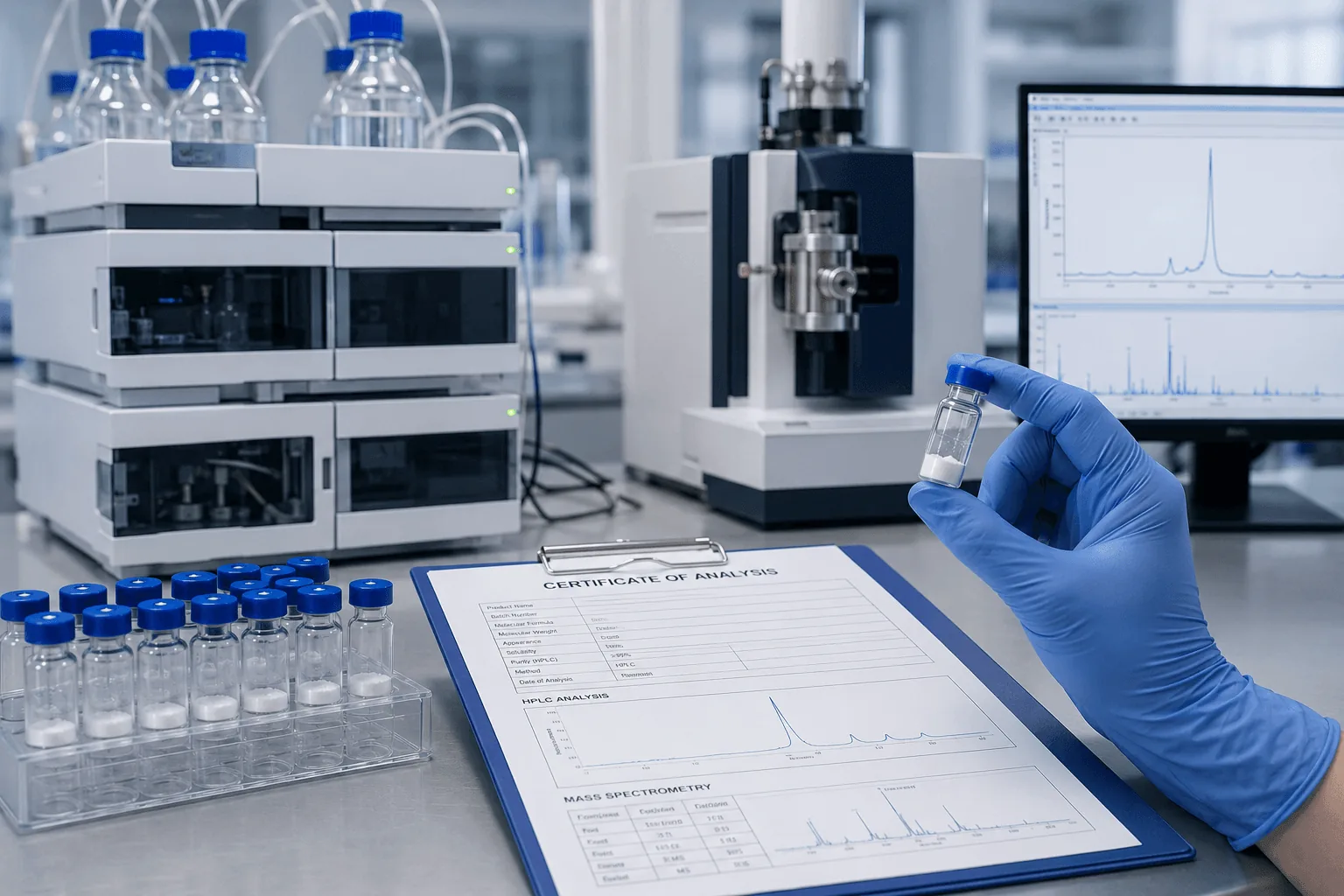
High-Performance Liquid Chromatography is the principal analytical method used to confirm peptide purity. HPLC works by separating the individual components of a sample according to their chemical properties, generating a chromatogram that shows the target peptide as a prominent peak alongside any contaminants, truncated sequences or degradation products appearing as smaller peaks. The purity percentage is calculated as the area under the target peak divided by the total area of all peaks detected. A result of 99% or above means that 99% of the material in the vial is the intended peptide, with less than 1% consisting of synthesis-related impurities.
Mass spectrometry provides the second layer of validation. Where HPLC confirms purity, mass spectrometry confirms identity — measuring the molecular weight of the compound and comparing it against the known molecular weight of the target peptide. This guards against substitution errors, where a vial might contain a pure compound that happens to be the wrong one. Mass spectrometry closes that gap by confirming whether the molecule inside the vial matches the label on the outside.
Every product from Peptide Works leaves with a Certificate of Analysis. The COA is not a formality — it is a document designed to be readable and critically assessable by the researcher. A properly constructed COA comprises the peptide name, batch number, molecular formula, molecular weight, purity percentage by HPLC, mass spectrometry confirmation, product appearance, solubility data and date of analysis. Peptide Works COAs are based on external laboratory testing rather than internal spot checks, lending the results independent credibility.
The rationale is straightforward. Peptide research is only as reliable as the compounds being used. If the peptide is not what it claims to be, at the purity it asserts, the results of any study built around that compound at a specific concentration will lack meaning. Contaminated, degraded or mischaracterised materials introduce variables that can invalidate weeks or months of work. The cost of rigorous testing is small compared to the cost of a compromised study. Peptide Works incorporates the cost of thorough verification into every product — not as an optional feature, but as a non-negotiable standard.
Researchers who wish to confirm a Certificate of Analysis, request further documentation of testing, or enquire about a particular batch are welcome to reach out through the Peptide Works support channels. Transparency around quality is not a privilege — it is a responsibility that every reputable supplier should welcome.
It does not matter how pure a peptide is if it arrives compromised. Quality can be quietly lost in the space between a warehouse shelf and a researcher's bench — exposure to heat during transit, inadequate padding inside the package, or delays at customs in a warm cargo holding area. Peptide Works treats shipping as an extension of its quality control process, not as an afterthought that begins with a warehouse label.
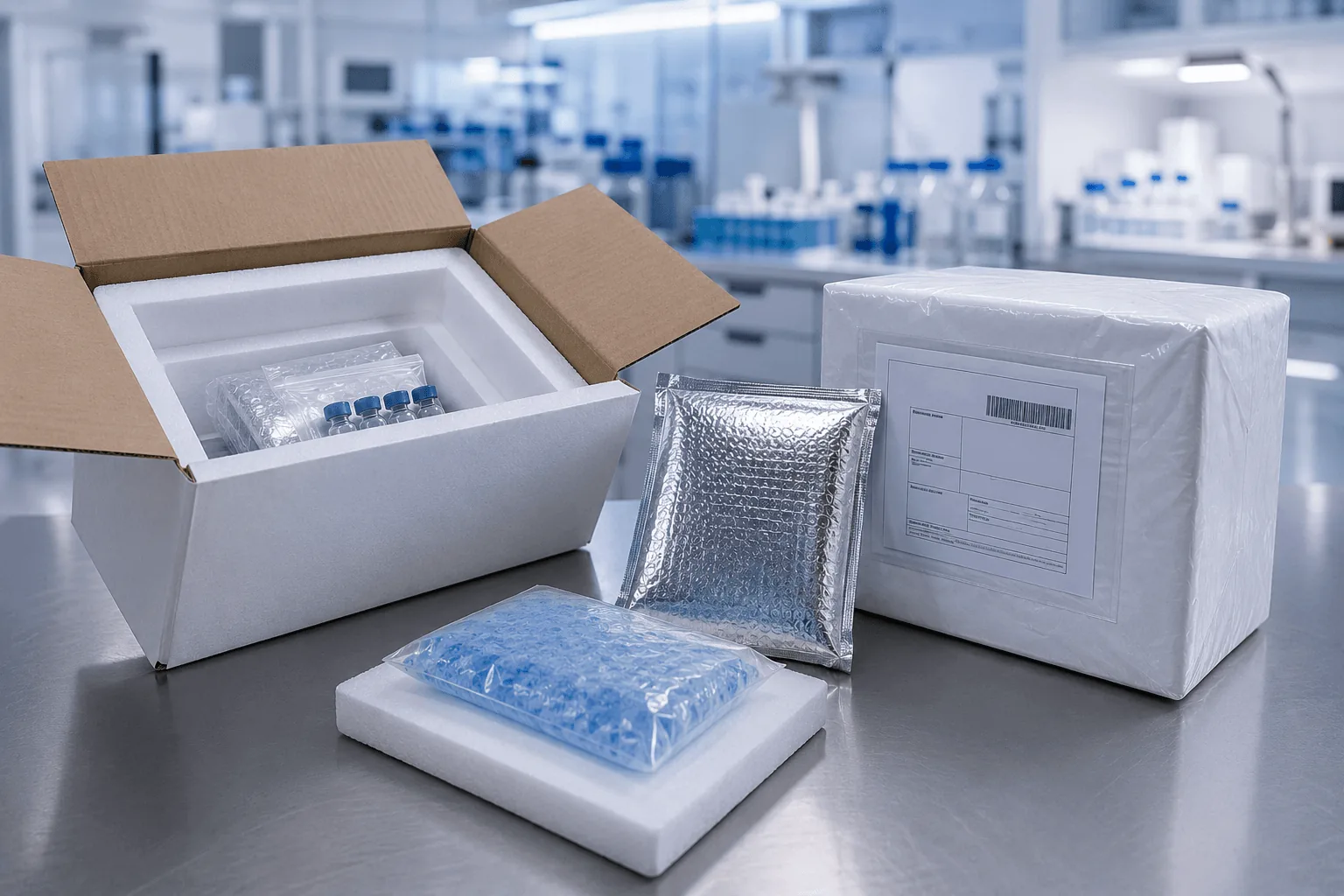
How a shipment is packaged depends on the thermal sensitivity of the peptide it contains. Lyophilised peptides are more stable than solutions, but even freeze-dried powder should not be exposed to prolonged heat. Pre-mixed solutions and nasal sprays require more careful handling. Peptide Works uses insulated packaging materials and cold-chain elements where conditions require maintaining an acceptable temperature during transport. The approach is adapted to product type, climate and anticipated transit time — goods crossing the equator in midsummer are not packaged in the same way as shipments moving between neighbouring countries in cooler months.
All orders include tracking, giving researchers the ability to monitor their shipment from dispatch through to delivery. Labelling is discreet — exterior packaging does not indicate its contents. This is important for low-traffic buildings and for avoiding confusion at receiving departments. For international shipments, Peptide Works prepares the appropriate customs documentation for research materials. The company ships worldwide, and the logistics team understands the regulatory and documentation requirements of its key destination countries.
Delivery timeframes vary by destination. Peptide Works offers various shipping options — faster transit for time-sensitive work and more economical options for less urgent orders. Estimated timeframes are based on actual carrier performance data and communicated clearly at the point of dispatch. The company does not promise more than it can deliver.
Support processes are in place for any shipment that arrives damaged or that raises a question about product integrity upon receipt. The principle is simple — whatever a researcher opens should be equivalent to what left the facility.
Peptide research has grown substantially, and not all researchers have years of background experience when they first approach a supplier. Some are experienced investigators evaluating a compound for the first time. Others are junior researchers setting up their first peptide-based protocol. Peptide Works supports that entire spectrum — not as a sales channel, but as a genuine support resource.
The support team is available through the contact channels listed on the Peptide Works website. Questions span both logistical matters — shipping timelines, order status, payment methods — and technical subjects. These typically include reconstitution procedures, storage recommendations and differences between product formats. The support team can answer each of these clearly and without excessive jargon.
The Peptide Works website also hosts a frequently asked questions section that addresses the most common queries the support team receives. Topics include the difference between bacteriostatic water and sterile water, how to store peptides after reconstitution, what the different product formats are used for, and how to read a Certificate of Analysis. The FAQ is written in plain language and updated regularly as new questions arise.
Peptide Works accepts a wide variety of payment methods with clear instructions, so that placing an order does not become a barrier — particularly for international buyers who may be navigating currency conversion or unfamiliar payment platforms.
It should be stated clearly that Peptide Works never provides medical advice, dosage guidance or treatment protocols. It is a supplier of research compounds, and its support team operates within that boundary. For specific guidance on experimental design, dosing or clinical applications, researchers should consult the published literature and institutional review processes. What Peptide Works can and does provide is clearly defined products, thorough documentation, and the logistical and technical information a researcher needs to use them effectively.
What Peptide Works provides is, at its core, quite straightforward. It is a comprehensive supply of research-grade peptides and the ancillary materials needed to work with them — all produced at 99% purity or above, supported by independent Certificates of Analysis, and shipped according to careful practices designed for sensitive biological compounds.
The breadth of the catalogue matters because research does not follow a single lane. A laboratory that begins with BPC-157 tissue repair studies may pivot to growth hormone secretagogue protocols six months later, and then add a cognitive neuropeptide arm the following year. When a supplier stocks the full range — vials, pre-mixed solutions, nasal sprays, blends, stacks and capsules — researchers do not have to rebuild a relationship with another vendor every time their focus shifts.
More important than any individual quality claim is the consistency with which it is upheld. A purity figure is only meaningful when it is rigorously supported by careful analytical testing. Peptide Works has chosen third-party analytical verification as a regular part of its operations, not an afterthought. This standard applies to every batch, every compound and every format. It is not a selling point but rather a baseline that the company holds itself to, whether a researcher orders one vial or fifty.
Peptide Works is driven by the needs of the research community. It is the researchers, students, clinicians and independent investigators who give this work its meaning. A peptide in a vial is an inert entity. It gains relevance only when someone with a question and a protocol puts it to use. The role of the supplier is to ensure that the compound is pure, the documentation is clear, the shipping is dependable and the support is real.
This page presents everything — every format, every product line, every testing process — from that single point of responsibility. For those visiting for the first time, this is a genuine introduction to Peptide Works. There are no loopholes and no fine print. The products stand on their own merit — and the Certificates of Analysis stand behind them.